Januay 29 2026

AI Readiness Isn’t About Tools - It’s About Culture
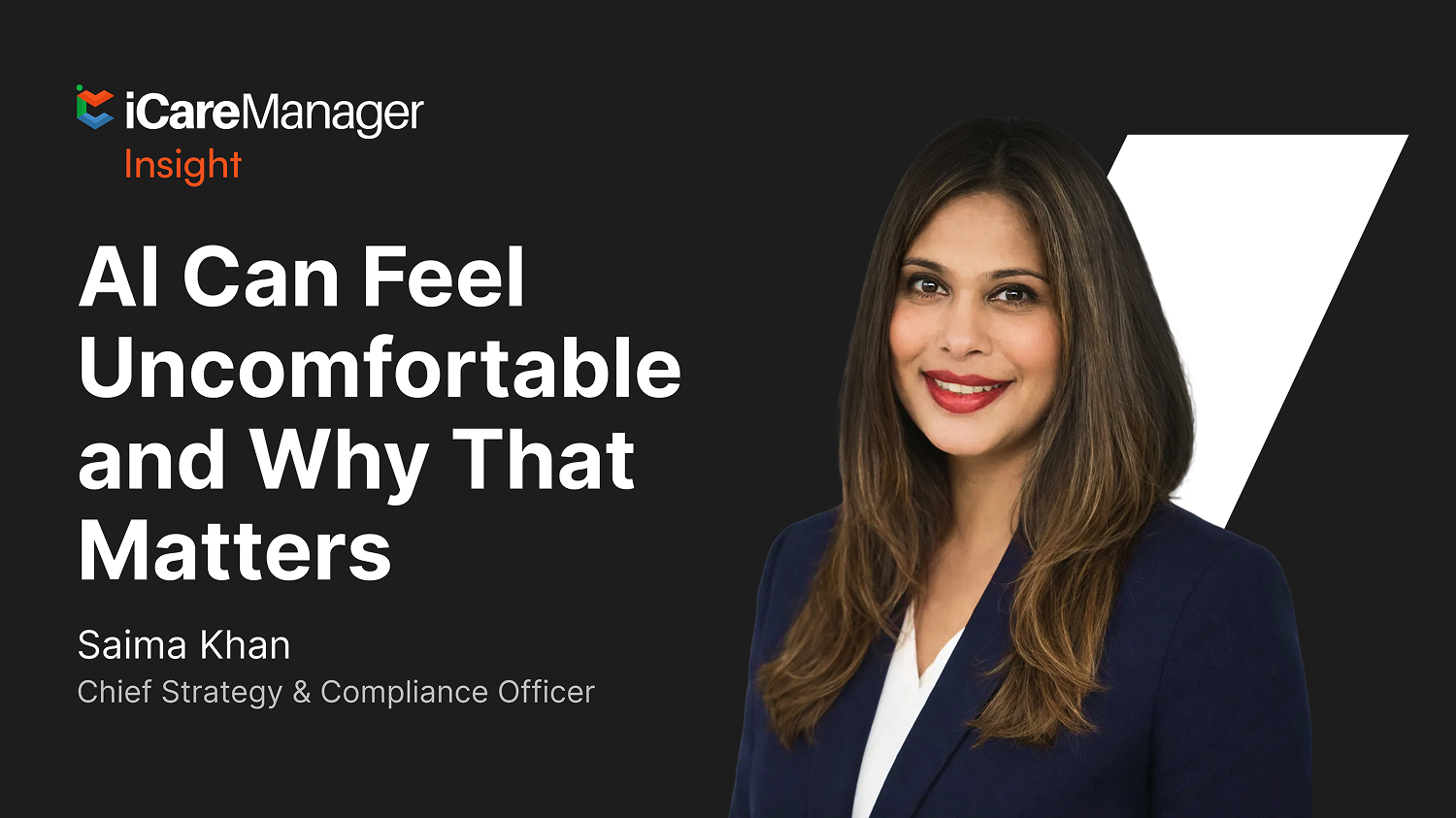
Artificial Intelligence has moved from being a buzzword to becoming a practical force shaping healthcare operations. From analytics and reporting to workflow automation and risk detection, AI is increasingly embedded in how organizations function.

Yet across IDD services, Assisted Living Facilities, and long-term care environments, a clear pattern has emerged. Organizations can invest in advanced AI-enabled systems and still struggle to see meaningful results.

The issue is rarely the technology.

AI readiness is not defined by the tools you purchase. It is defined by the culture you build around how those tools are used.

The Tool-First Trap in Healthcare Technology

Many organizations approach AI adoption as a technical upgrade. They evaluate features, dashboards, integrations, and automation capabilities, assuming improvement will naturally follow.

But AI does not fix broken workflows. It amplifies them.

  • Efficient teams become faster and more informed
  • Inconsistent processes become more visible
  • Poor documentation becomes a liability rather than a hidden issue

In support-driven environments where compliance, safety, and continuity matter, this amplification effect can either be a competitive advantage or a serious operational risk.

Why Culture Determines AI Success

AI works best in environments where expectations are clear and behaviors are consistent.

AI-ready organizations share cultural traits that go far beyond software:

  • Documentation is viewed as part of service delivery, not paperwork
  • Data accuracy is prioritized over speed or convenience
  • Staff understand how their actions connect to outcomes, audits, and quality of support

In IDD and Assisted Living settings, culture directly influences how information is captured, reviewed, and acted upon. Without shared standards and accountability, AI has no reliable foundation to work from.

Documentation Is the Foundation of AI Readiness

No area exposes cultural gaps faster than documentation.

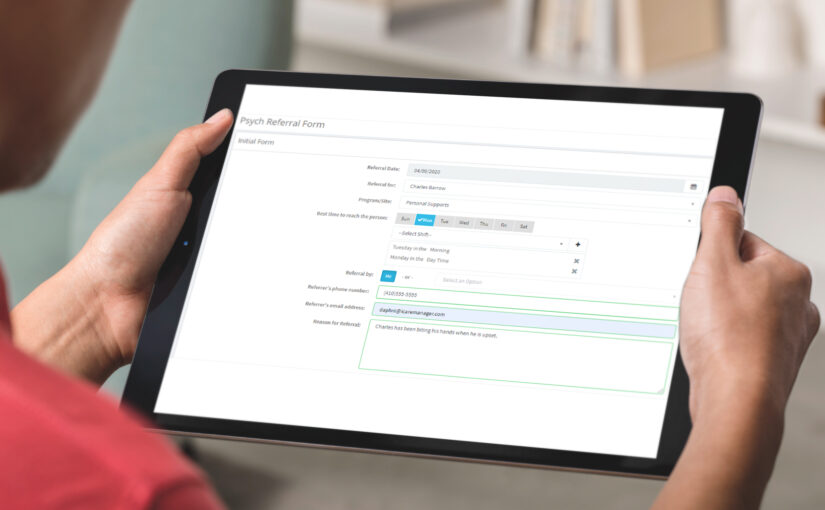
AI depends on structured, timely, and accurate data. Yet many service organizations still rely on delayed entries, inconsistent progress notes, or workarounds created to save time during busy shifts.

This creates a disconnect:

  • AI systems expect real-time inputs
  • Operations rely on retrospective corrections

When documentation is treated as an afterthought, AI cannot deliver insights, reduce risk, or support decision-making in a meaningful way.

Organizations that succeed recognize documentation as a core operational discipline, not an administrative task.

Technology Should Reinforce Behavior, Not Replace It

Effective AI in healthcare is subtle. It works in the background, reinforcing good habits rather than forcing behavioral change through complexity.

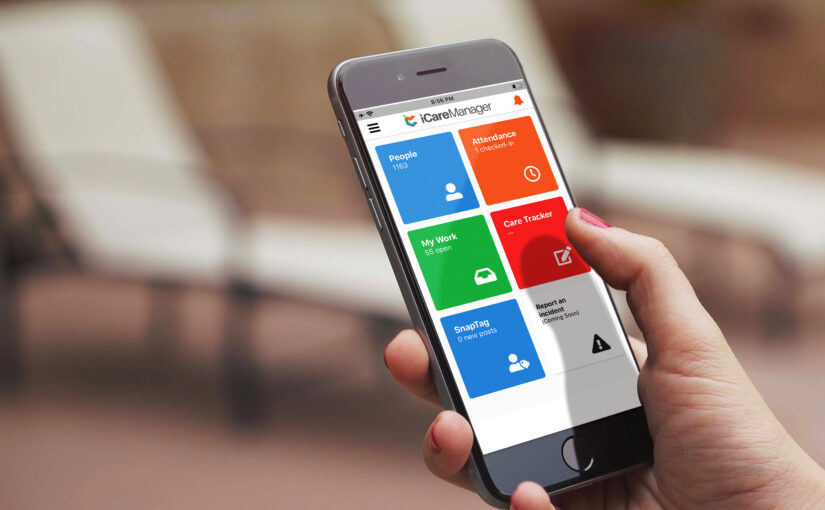
This is where platforms like iCareManager play a critical role.

AI-enabled EHR systems should:

  • Make accurate documentation the easiest option
  • Support mobile, real-world service delivery
  • Reduce friction without lowering standards

In Assisted Living and IDD environments, service does not happen at a desk. Systems must align with how staff actually work, whether that is administering medication, documenting progress, or responding to incidents in real time.

AI readiness improves when technology adapts to people, not when people are forced to adapt unnaturally to technology.

Change Management Is the Real AI Challenge

The biggest obstacle to AI adoption is not technical complexity. It is resistance to change.

Common concerns include:

  • Fear of increased oversight
  • Uncertainty around automation replacing judgment
  • Frustration with learning new workflows

Organizations that successfully adopt AI invest in cultural alignment:

  • Training focuses on impact, not just functionality
  • Expectations are clearly communicated and reinforced
  • Leadership models consistent usage rather than optional adoption

When teams understand how AI-supported systems reduce errors, strengthen compliance, and improve service quality, adoption becomes a shared goal rather than a mandate.

AI Readiness Is Not a One-Time Achievement

AI readiness is not a checkbox. It is an ongoing operational state.

Healthcare regulations evolve. Staffing challenges shift. Service models change. AI systems themselves continue to improve. Organizations that treat readiness as continuous are better positioned to adapt.

This requires:

  • Regular workflow reviews
  • Ongoing reinforcement of documentation standards
  • Using data proactively instead of reactively

In service-based industries, readiness is about resilience. AI should help organizations anticipate issues rather than respond to them after the fact.

The Bigger Picture for IDD and Assisted Living Providers

AI is not about replacing support. It is about supporting it.

For IDD providers and Assisted Living operators, readiness means building environments where:

  • Staff feel supported, not monitored
  • Data reflects reality, not best guesses
  • Technology enables safer, more consistent service delivery

When culture, process, and technology align, AI becomes a quiet but powerful ally. It strengthens compliance, improves visibility, and supports better outcomes without disrupting the human side of service.

Final Thought

AI will continue to shape the future of healthcare technology. But tools alone will not create transformation.

True AI readiness begins with culture:

  • A commitment to accuracy and accountability
  • Processes built for consistency and clarity
  • Technology designed to support how support is actually delivered

When these elements work together, AI fulfills its real promise - enabling organizations to deliver safer, smarter, and more reliable service in an increasingly complex environment.

Blog Details Image